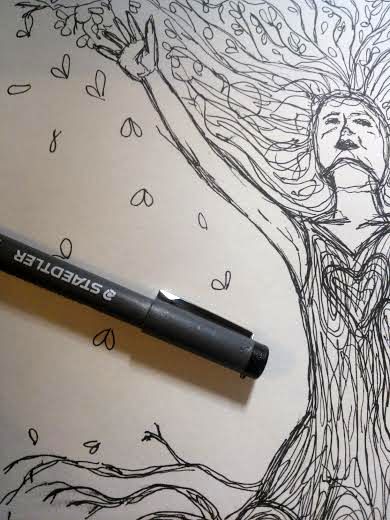
Deadlines, electronic medical records, parking tickets, paper grading and the cost of rent in Toronto. What do these seemingly varied delights all have in common? They all contribute to complicating our lives and do nothing more than turn the drip-rate up on our cortisol lines. When we think of healthy living, our minds frequently turn to proper diet and exercise. We often forget that while our bodies are undergoing the latest juice cleanse and sweating away impurities, our poor brains may be stuck masticating super-sized portions of the same soggy, deep-fried thoughts.
Modern society always takes the blame for today’s health complaints but, after all, we wouldn’t be in this mess if it weren’t for the constant barrage of comparisons and to-do lists that haunt our daily realities. So, because I care deeply about the mental health of society, I have compiled an easy list of ways to simplify your life. Pour that carrot beet juice into your cerebral spinal fluid and give your brain a nice, cleansing wash.
1. Food and Drink
a. Turn off your TV. b. head to the grocery store. c. Once there, pick up a cart or basket, depending on your food volume needs. d. Sticking to the edges of the store, add in the vegetables and fruit you think: i. look tasty ii. are in season and iii. fit your budget. e. Next, hit the meat section. Buy some. (Legumes if you’re vegetarian) f. Buy eggs. g. In the middle of the store, pick up some herbs and spices, brown rice, quinoa, coconut milk, coconut oil and olive oil. h. Once you get home, look up the names of the things you bought on the internet. Google something like “recipe + beef + rice + spinach + tomato”. i. See what comes up. j. Consider purchasing a slow cooker or Dutch oven and let your food cook itself while you turn your TV back on. k. Ignore all TV commercials pertaining to food. j. Wine and water (tap).
2. Appearance
a. Find a pair of pants that fit you like a dream and allow you to sit, walk and ride a bicycle with ease. b. Buy a pair in every colour. c. Purchase the rest of your wardrobe at second-hand stores. d. Pair down your hair products to two things. e. Try to encompass your footwear needs with 3-5 pairs of shoes and boots. f. Use a BB cream – one with sunscreen. g. Use oil to wash it off your face at night. h. begin to learn to accept the nose/chin/butt/hair you were born with and find them beautiful in their own way.
3. Transportation
a. Walk everywhere. b. If you can’t walk, bike. c. If it’s too cold to walk/bike, take the subway/bus. d. If you live too far away to take public transport, walk or bike, then it’s time to move. e. Or buy a private helicopter.
4. Relationships
a. Choose a handful of people that mean a lot to you. b. Make an effort to see them and spend quality time with them. c. Tell them you love them often. d. Try to manage your expectations. e. Journal a list of the things you need from relationships. f. Try to use self-love to meet those needs. Meditation and journalling help with this. g. Online dating.
5. Social media
a. Determine how social media serves your life: Business promotion? Keeping in touch with your high school friends? Comparing children? Broadcasting your running routes? b. Log on, engage in these activities and then log off. c. Know when you’ve had enough.
6. Money
a. Find out how much money you make. b. Create a budget of how much your spend. c. Attempt to make a bigger than b. e. If b is bigger than a, try to make b smaller or a bigger. f. To make b smaller, see sections 1, 2 and 3. g. Consider that fact that making b as small as comfort allows could be the secret to simplicity and saving the world. h. Smile while paying taxes. i. If you have the means, donate time and/or money.
I am a naturopathic physician. On a Facebook page hosted by some peers in my profession, a young naturopathic doctor expressed distress at having her attempt to forge ties with one of her patients’ medical doctor thwarted. Needing her patient to obtain the diagnostic testing covered under provincial insurance only when ordered by a medical doctor, she wrote a letter to the patient’s MD, explaining the case, her assessment, the natural treatments that the patient was taking and her reasons for asking for diagnostic testing to be done. She expressed her hope to work collaboratively with this professional in order to provide better care for their mutual patient.
The response was less than ideal. The MD wrote a short, snappy letter, making clear his disinterest in “working collaboratively” with “alternative health practitioners”. He told her, bluntly, that he would not welcome further communications regarding their mutual patient.
Rookie mistake.
Whether a patient seeks consult from a naturopathic doctor or not, natural medicine is here to stay. The good news for medical doctors, however, is that naturopathic doctors can help make their lives easier and contribute significant benefits to patient management. Here are some reasons for working with naturopathic doctors:
1. Naturopathic doctors are highly trained.
NDs go through 4 years of undergraduate education, taking prerequisite courses in biochemistry, biology, psychology, physiology and chemistry. Naturopathic medical school consists of an additional 4 years of intense, full-time study that includes the completion of two licensing exams, one board exam, 3 clinical exams and a 12-month clinical internship working with patients in an out-patient setting. NDs are trained in medical diagnostics, physical exams and can perform procedures such as taking blood, injections, pelvic exams and prostate exams. With extra training NDs are being certified in IV therapies, minor surgery and pharmaceutical prescribing.
Naturopathic doctors speak the same language as medical doctors and our training and medical opinions can be trusted.
2. Patients that see naturopathic doctors in addition to medical doctors do better overall.
In a 2013 randomized clinical trial by the Canadian Medical Association Journal, it was found that high-risk patients decreased their risk of heart disease when using both naturopathic medicine and conventional treatments together rather than just conventional medicine alone. NDs have the time to teach patients how to make changes that benefit their long-term health. Adding a naturopathic doctor to your patient’s healthcare team can help decrease their risk of chronic diseases, such as cardiovascular disease, the leading cause of death among Canadians.
3. Naturopathic medicine decreases the burden on the healthcare system.
A colleague of mine practised as a registered nurse in Ontario for several years before deciding to begin studies at the Canadian College of Naturopathic Medicine and become licensed as a naturopathic doctor. When I asked her why she told me that she was tired of the “revolving door.” “The revolving door?” I asked, puzzled. She explained that, as a nurse she would often see the same patients time and time again – patients with diabetes who were having trouble managing their blood sugar and mental health patients, for instance – who would come into the emergency room, receive treatment and leave, only to return again after a short time. There was no one addressing the root cause of these patients’ ailments and, therefore, it was only a matter of time before they returned to the emergency room. Working with a naturopathic doctor helps patients take responsibility for their health, addresses the root cause of disease and assists patient in learning how to manage chronic disease more effectively, freeing up the emergency room for actual emergencies.
4. Naturopathic doctors address family physician shortages.
Many Canadians do not have a family doctor and many medical doctors are far too busy to take on new patients. Referring patients to be co-managed by a naturopathic doctor can reduce their need for doctors visits, reduce medical clinic wait-times and allow medical doctors to take on more patients on their rosters. Also, by focussing on lifestyle changes, finding the root cause of disease and anticipating health issues such as seasonal allergies, colds and flu or traveller’s diarrhea, NDs can help patients prevent disease. We can effectively take on the ailments that are not appropriately treated with pharmaceuticals (viral colds, for instance), freeing up time and space in medical clinics.
5. Naturopathic doctors can take on chronic, long-term cases.
Chronic acne, digestive concerns, musculoskeletal pain, fatigue and mental illness, cardiovascular disease, hormonal imbalances such as uterine fibroids, PMS, PCOS and endometriosis are all chronic conditions, difficult to treat with medications, that benefit hugely from lifestyle changes. Many patients who suffer from these conditions experience immense benefit when treated with gentle, natural therapies and lifestyle changes. Naturopathic doctors excel at treating chronic, long-standing conditions that are upsetting to patients but often aren’t “serious” enough to warrant conventional care or perhaps aren’t responding to conventional care.
6. There is someone managing drug-nutrient or drug-herb interactions.
It is estimated that more than 70% of Canadians have used a natural health product. That number is only increasing as the public recognizes the need for nutritional and herbal supplementation. However, interactions between natural remedies and medications are real. Naturopathic doctors are trained in pharmacology and are prepared to anticipate interactions and avoid products that have the potential to interfere with certain medications and medical procedures. Collaborating with an ND also means that there is a recorded history of all the natural products your patient is taking and your patient is far less likely to self-prescribe remedies that have the potential for harm.
7. NDs excel at providing stress relief.
“My doctor told me it’s just stress,” a family friend told me over dinner. No surprise. What can sound to some patients like a back-handed dismissal is actually a concrete truth; some sources estimate that 90% of physician visits are stress-related. Naturopathic doctors offer a wide range of therapies such as talk therapy, lifestyle counselling, homeopathy, acupuncture, botanical therapy and nutritional supplementation all of which are effective at helping reduce stress and improve the body’s response to stress. As a society we tend to focus on physical health and lifestyle and neglect the importance of mental health. Naturopathic doctors are well-positioned to offer that kind of care.
Dear medical doctor, we naturopathic doctors appreciate everything that you do. We would love the opportunity to work with you as part of a collaborative team for the benefit of our mutual patients. So please, no more of the above-mentioned letters.
In the words of Vanilla Ice, “Stop. Collaborate and Listen.” Your patients will thank you for it.
“There are a lot of things up in the air in my life right now.” My friend, S, told me as we sat on the grass enjoying the first of two yerba mate-and-chit-chat experiences I’d partake in in the following two days. “I just have to trust that things will eventually settle,” she added.
“Hmmm…” I nodded, sipping from the bombilla. “It’s just that it can be so hard to do that sometimes…”
Brief silence.
“No it’s not.” S replied matter-of-factly.
And I wondered what my deal was.
On a personality questionnaire I recently filled out, I had to choose whether I’d prefer good things to happen to me or interesting things. The question intrigued me.
Of course it’s the interesting, excruciating disappointments that shape us and teach us about life and who we are. Sure, the good things can help us in our lives, but it’s the interesting things that challenge us to evolve and move forward.
And yet, in my life I’ve had a hard time trusting the interesting things. It’s so much easier to prefer the simplicity and clarity of good things.
So, at the moment that my life is more interesting than good (but still good), I am trying to learn to sit with it. I try to notice my impatience and desire to snatch all the things that are floating up around me out of the air, and rather than forcing them down to earth, watching and waiting to see where they settle on their own.
I’ve been thinking about my Mindfulness-Based Stressed Reduction course that I took exactly one year ago. I remember our instructor, Roy, pointing out to us that in our educational system we’re groomed into the mindset of pressuring ourselves to succeed, to always be moving somewhere. We’re taught that we own full control over our destinies and are responsible for the outcomes of our lives. Is this right? He asked us, in his almost-infuriatingly patient voice, as if he had all the time in the world to wait for his flock of cattle to corral themselves. The doubt he had placed in our minds violently upset one of the course participants. “I think it is right.” She passionately, angrily asserted. “We were always taught in school to strive for greatness, to try our hardest! It’s because of that message that I’m successful today.”
We watched as Roy gazed at her, non-reactively and his eyes implored her and the rest of us, Andso you tried your hardest. You did as you were told. Did it make you happy? You tried your hardest and for what? You’re still here, alive, but very much at the mercy of nature and fate. You’re just as scared and confused as the rest of us. The rest of the class tensely watched the confrontation. It made us nervous to see him bearing the brunt of her anger for stirring up some deeply held beliefs and shattering her illusion of control – the illusion we are all taught to hold dear.
As a meditation instructor, I believe he must have become accustomed to removing those fragile bottom pieces of the Jenga tower and watching everyone’s world views come tumbling down like a stack of wooden blocks.
The blocks are currently in mid-air and it’s hard not to wonder where they’ll eventually land.
I woke up in the middle of the night to find the dragon lying in my bed. Snoring politely, he looked very small, about the size of a beagle. He was staying on his side of the bed, so I tried to get back to sleep. I’d met this beast before and knew he often brought with him ominous feelings of death and despair, but sometimes he would show up at night only to be gone in the morning. Maybe this time I wouldn’t need to worry.
The next morning, though, the dragon was still there. It rolled over and looked at me with its yellow lizard eyes. Its grey, shiny scales were smooth and glistening. I felt a sharp shiver of fear run through me. I wondered if this time he was here to stay. I worried about what he might do.
I know about the healing power of art. Sitting in front of a painting and quietly filling in a private world of colour helps to open up the right side of the brain, dissolving the hard edges of worn thought patterns and softening us to possibility. I know that wonderful realizations arise from the quiet space that art can provide. Bright colours draw attention to inner darkness. Self-criticism becomes louder and steps out into the light, allowing us to properly examine it.
Therefore, when I decided to attend an art therapy workshop, I figured myself to be already part of the choir who I thought would be preached to. I knew that art held the magical power to do deep psychological work. I was just curious as to how that would look in a therapeutic setting.
My second year of training to be a naturopathic doctor was horrific in many ways. It began with performance-based physical exams, which brought with them the crippling feeling of being a deer, stunned by a set of bright headlights, unable to act in the face of the impending doom before me. Before practicals, my stomach would do whatever it wanted, my heart would boom in my chest, rocking my whole body with its force. I swore in these moments that I didn’t know my name, let alone the entire series of steps of a thorough lung and thorax exam. I became a bumbling mess. I hated the feeling. (more…)
Most people who come to see a naturopathic doctor are in some sort of state of dis-ease. That is, they are often exhibiting symptoms that indicate that their bodies have begun to offer up warning signs that something is off balance. After all, if they didn’t have symptoms, how would they know something was wrong with them? The trouble with our society is we often don’t notice our bodies until we have a glaringly obvious symptom that we can’t ignore – like how I never pay attention to a car I’m driving until there is a red light and a beeping noise I can’t turn off. And, even at that, how often do we find ourselves out-of-touch with even the most annoying symptoms – like gas and bloating or pain and itching – simply because we’ve “learned to live with them”?
Anywhere from 10% to 55% of the population suffers from chronic pain. It is one of the conundrums of conventional medicine because, once the initial trauma (i.e.: the broken bone, bruising or cut, etc.) is dealt with, there are not many options for managing it. Pain medications usually have a host of side effects and offer only modest results. Many people are forced to live with pain, watching as their lives and well-being eventually deterioriate and they lose the ability to perform the activities they once loved. Thankfully, naturopathic medicine offers a variety of solutions for treating pain that can give you the chance to get your life back.
Losses and pivotal life changes can make us feel as if our world of comforts and familiarity is crumbling away beneath us, leaving us with a sense of emptiness and shaken emotional instability. However awful these times may seem, they can also offer us the gift of intimately knowing ourselves, and the opportunity to grow and learn. We are at our most vulnerable, our most creative and, in a sense, our most awake and alive during times of emotional duress. Our sensitivity is heightened, and although many of these feelings are extremely painful, our ability to experience this pain also leaves us open to the possibility of truly feeling everything the world has to offer: excruciating suffering but also the promise of immense joy.
When we think of healing we often think of taking medications, receiving treatments or long courses of therapy. We often overlook the importance of the little, comforting things we can do to help nurture ourselves through painful times. These rituals and small comforts are powerful healing facilitators; we only need the courage to turn to them and to trust that we are on the right path.
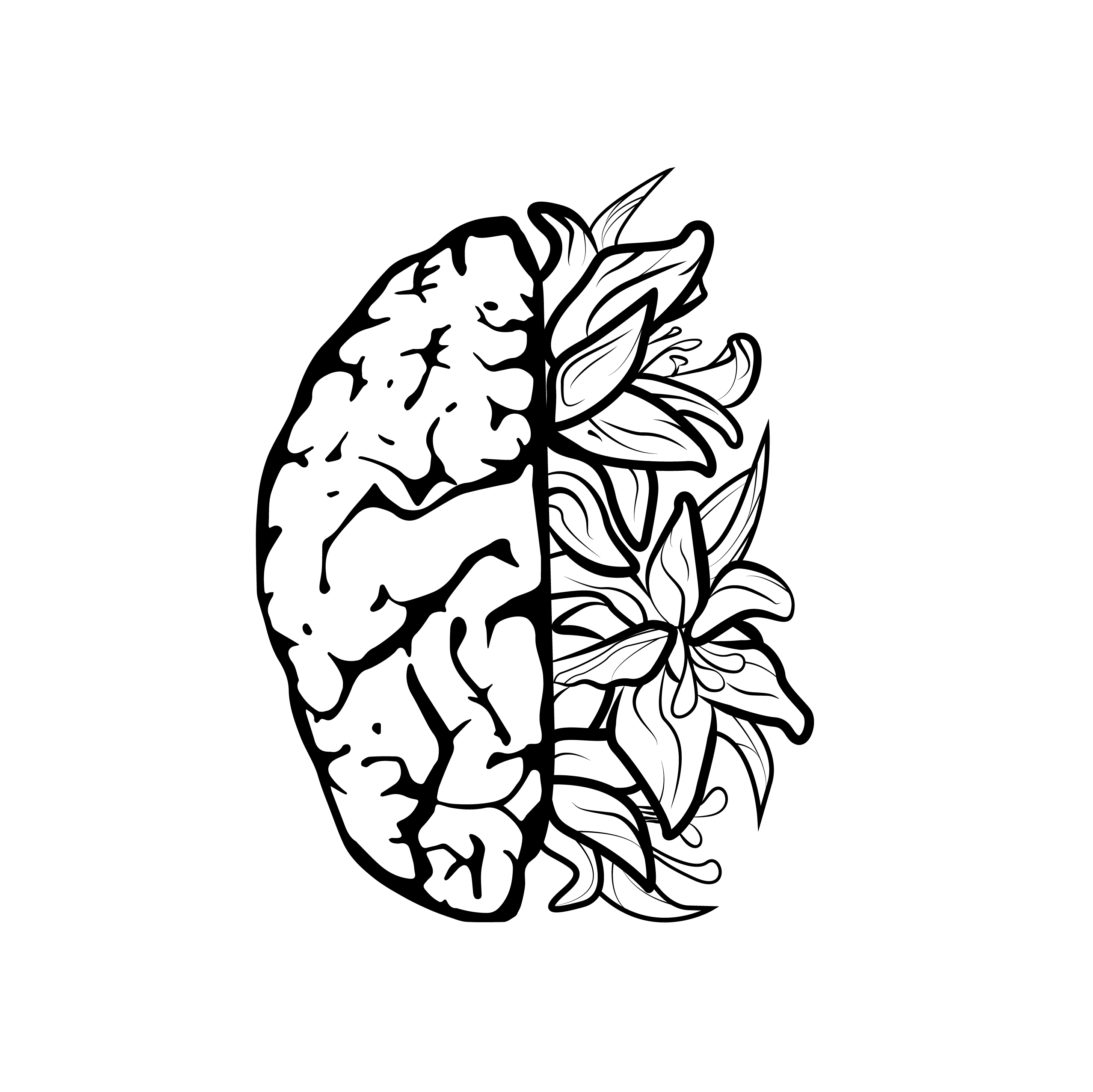

 Deadlines, electronic medical records, parking tickets, paper grading and the cost of rent in Toronto. What do these seemingly varied delights all have in common? They all contribute to complicating our lives and do nothing more than turn the drip-rate up on our cortisol lines. When we think of healthy living, our minds frequently turn to proper diet and exercise. We often forget that while our bodies are undergoing the latest juice cleanse and sweating away impurities, our poor brains may be stuck masticating super-sized portions of the same soggy, deep-fried thoughts.