
by Dr. Talia Marcheggiani, ND | Jul 20, 2015 | Art Therapy, Community, Creativity, Docere, Education, Emotions, Empathy, Finding yourself, Healing Stories, Health, Medicine, Mental Health, Mind Body Medicine, Mindfulness, Narrative Therapy, Philosophy, Politics, Psychology, Relationships, Self-reflection, Treating the Cause, Volunteering
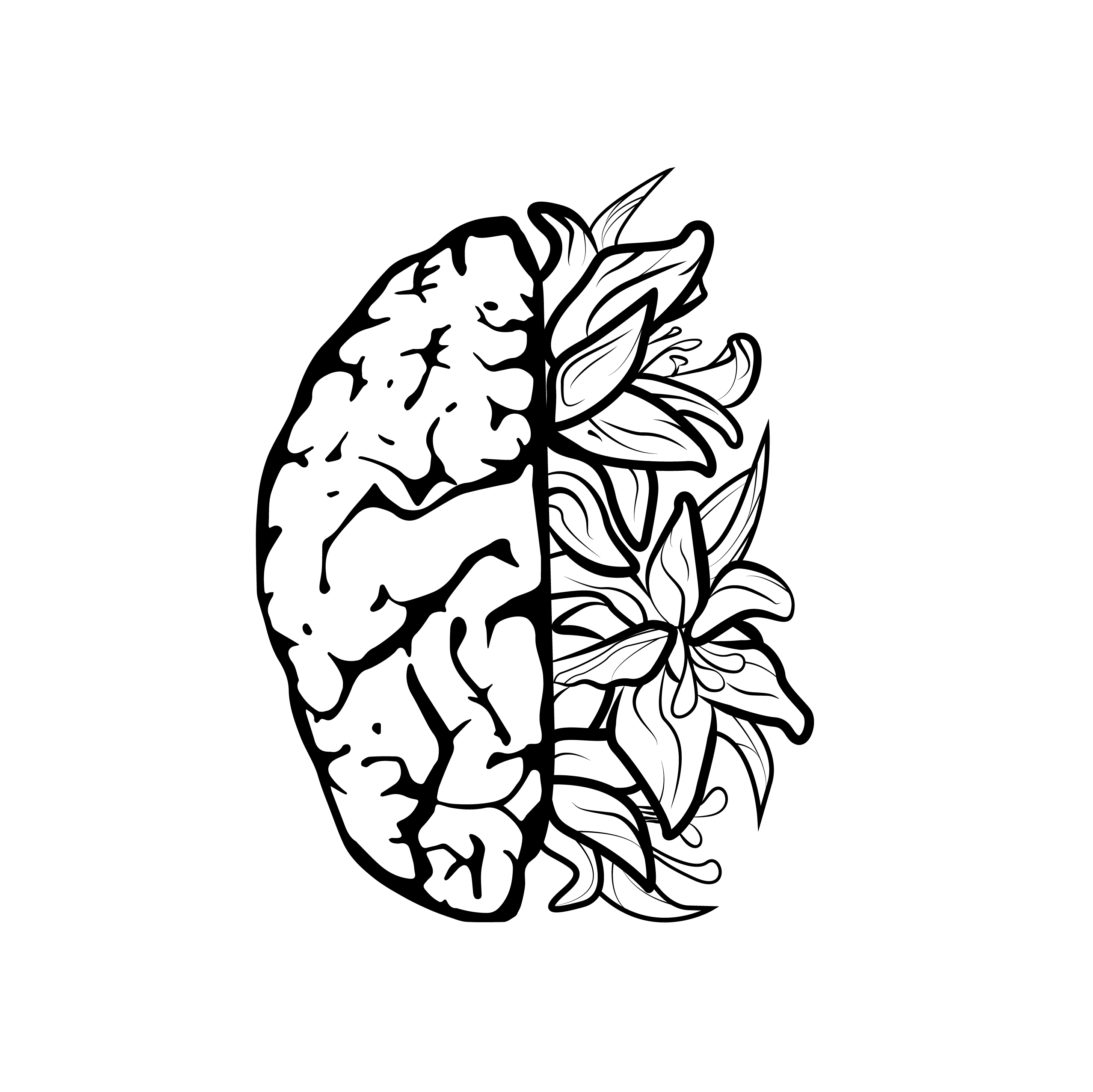
As a child, I was obsessed with stories. I wrote and digested stories from various genres and mediums. I created characters, illustrating them, giving them clothes and names and friends and lives. I threw them into narratives: long stories, short stories, hypothetical stories that never got written. Stories are about selecting certain events and connecting them in time and sequence to create meaning. In naturopathic medicine I found a career in which I could bear witness to people’s stories. In narrative therapy I have found a way to heal people through helping them write their life stories.
We humans create stories by editing. We edit out events that seem insignificant to the formation of our identity. We emphasize certain events or thoughts that seem more meaningful. Sometimes our stories have happy endings. Sometimes our stories form tragedies. The stories we create shape how we see ourselves and what we imagine to be our possibilities for the future. They influence the decisions we make and the actions we take.
We use stories to understand other people, to feel empathy for ourselves and for others. Is there empathy outside of stories?
I was seeing R, a patient of mine at the Yonge Street Mission. Like my other patients at the mission health clinic, R was a young male who was street involved. He had come to see me for acupuncture, to help him relax. When I asked him what brought him in to see me on this particular day, his answer surprised me in its clarity and self-reflection. “I have a lot of anger,” He said, keeping his sunglasses on in the visit, something I didn’t bother to challenge.
R spoke of an unstoppable rage that would appear in his interactions with other people. Very often it would result in him taking violent action. A lot of the time that action was against others. This anger, according to him, got him in trouble with the law. He was scared by it—he didn’t really want to hurt others, but this anger felt like something that was escaping his control.
We chatted for a bit and I put in some acupuncture needles to “calm the mind” (because, by implication, his mind was not currently calm). After the treatment, R left a little lighter with a mind that was supposedly a little calmer. The treatment worked. I attributed this to the fact that he’d been able to get some things off his chest and relax in a safe space free of judgment. I congratulated myself while at the same time lamented the sad fact that R was leaving my safe space and re-entering the street, where he’d no doubt go back to floundering in a sea of crime, poverty and social injustice. I sighed and shrugged, feeling powerless—this was a fact beyond my control, there wasn’t anything I could do about it.
The clinic manager, a nurse practitioner, once told me, “Of course they’re angry. These kids have a lot to be angry at.” I understood theoretically that social context mattered, but only in the sense that it posed an obstacle to proper healing. It is hard to treat stress, diabetes, anxiety and depression when the root causes or complicating factors are joblessness, homelessness and various traumatic experiences. A lot of the time I feel like I’m bailing water with a teaspoon to save a sinking ship; my efforts to help are fruitless. This is unfortunate because I believe in empowering my patients. How can I empower others if I myself feel powerless?
I took a Narrative Therapy intensive workshop last week. In this workshop we learn many techniques for empowering people and healing them via the formation of new identities through storytelling. In order to do this, narrative therapy extricates the problem from the person: the person is not the problem, the problem is the problem. Through separating problems from people, we are giving our patients the freedom to respond to or resolve their problems in ways that are empowering.
Naturopathic doctors approach conditions like diabetes from a life-style perspective; change your lifestyle and you can change your health! However, when we fail to separate the patient from the diabetes, we fail to examine the greater societal context that diabetes exists in. For one thing, our culture emphasizes stress, overwork and inactivity. The majority of food options we are given don’t nourish our health. Healthy foods cost more; we need to work more and experience more stress in order to afford them. We are often lied to when it comes to what is healthy and what is not—food marketing “healthwashes” the food choices we make. We do have some agency over our health in preventing conditions like diabetes, it’s true, but our health problems are often created within the context in which we live. Once we externalize diabetes from the person who experiences it, we can begin to distance our identities from the problem and work on it in creative and self-affirming ways.
Michael White, one of the founders of Narrative Therapy says,
If the person is the problem there is very little that can be done outside of taking action that is self-destructive.
Many people who seek healthcare believe that their health problems are a failure of their bodies to be healthy—they are in fact the problem. Naturopathic medicine, which aims to empower people by pointing out they can take action over their health, can further disempower people when we emphasize action and solutions that aim at treating the problems within our patients—we unwittingly perpetuate the idea that our solutions are fixing a “broken” person and, even worse, that we hold the answer to that fix. If we fail to separate our patients from their health conditions, our patients come to believe that their problems are internal to the self—that they or others are in fact, the problem. Failure to follow their doctor’s advice and heal then becomes a failure of the self. This belief only further buries them in the problems they are attempting to resolve. However, when health conditions are externalized, the condition ceases to represent the truth about the patient’s identity and options for healing suddenly show themselves.
While R got benefit from our visit, the benefit was temporary—R was still his problem. He left the visit still feeling like an angry and violent person. If I had succeeded in temporarily relieving R of his problem, it was only because I had acted. At best, R was dependent on me. At worst, I’d done nothing, or, even worse, had perpetuated the idea that there was something wrong with him and that he needed fixing.
These kids have a lot to be angry at,
my supervisor had said.
R was angry. But what was he angry at? Since I hadn’t really asked him, at this time I can only guess. The possibilities for imagining answers, however, are plentiful. R and his family had recently immigrated from Palestine, a land ravaged by war, occupation and racial tension. R was street-involved, living in poverty in an otherwise affluent country like Canada. I wasn’t sure of his specific relationship to poverty, because I hadn’t inquired, but throughout my time at the mission I’d been exposed to other narratives that may have intertwined with R’s personal storyline. These narratives included themes of addiction, abortion, hunger, violence, trauma and abandonment, among other tragic experiences. If his story in any way resembled those of the other youth who I see at the mission, it is fair to say that R had probably experienced a fair amount of injustice in his young life—he certainly had things to be angry at. I wonder if R’s anger wasn’t simply anger, but an act of resistance against injustice against him and others in his life: an act of protest.
“Why are you angry?” I could have asked him. Or, even better, “What are you protesting?”
That simple question might have opened our conversation up to stories of empowerment, personal agency, skills and knowledge. I might have learned of the things he held precious. We might have discussed themes of family, community and cultural narratives that could have developed into beautiful story-lines that were otherwise existing unnoticed.
Because our lives consist of an infinite number of events happening moment to moment, the potential for story creation is endless. However, it is an unfortunate reality that many of us tell the same single story of our lives. Oftentimes the dominant stories we make of our lives represent a problem we have. In my practice I hear many problem stories: stories of anxiety, depression, infertility, diabetes, weight gain, fatigue and so on. However, within these stories there exist clues to undeveloped stories, or subordinate stories, that can alter the way we see ourselves. The subordinate stories of our lives consist of values, skills, knowledge, strength and the things that we hold dear. When we thicken these stories, we can change how we see ourselves and others. We can open ourselves up to greater possibilities, greater personal agency and a preferred future in which we embrace preferred ways of being in the world.
I never asked R why the anger scared him, but asking might have provided clues to subordinate stories about what he held precious. Why did he not want to hurt others? What was important about keeping others safe? What other things was he living for? What things did he hope for in his own life and the lives of others? Enriching those stories might have changed the way he was currently seeing himself—an angry, violent youth with a temper problem—to a loving, caring individual who was protesting societal injustice. We might have talked about the times he’d felt anger but not acted violently (he’d briefly mentioned turning to soccer instead) or what his dreams were for the future. We might have talked about the values he’d been taught—why did he think that violence was wrong? Who taught him that? What would that person say to him right now, or during the times when his anger was threatening to take hold?
Our visit might have been powerful. It might have opened R up to a future of behaving in the way he preferred. It might have been life-changing.
It definitely would have been life-affirming.
Very often in the work we do, we unintentionally affirm people’s problems, rather than their lives.
One of the course participants during my week-long workshop summed up the definition of narrative therapy in one sentence,
Narrative therapy is therapy that is life-affirming.
And there is something very healing in a life affirmed.
More:
The Narrative Therapy Centre: http://www.narrativetherapycentre.com/
The Dulwich Centre: http://dulwichcentre.com.au/
Book: Maps of Narrative Practice by Michael White
by Dr. Talia Marcheggiani, ND | Jun 9, 2015 | Art, Balance, doctor as teacher, Evidence Based Medicine, Medicine, Mind Body Medicine, Naturopathic Philosophy, Naturopathic Principles, Patience, Patients, Philosophy
In most service industries, there are certain guarantees. If you go to a restaurant, your soup is guaranteed. At the GAP, you will get a pair of chinos, guaranteed. In lots of instances, you get what you are paying for and in most cases, you get to see if before you hand over your credit card—a coffee, a massage. In many cases, if you’re not satisfied, you can get your money back—guaranteed.
This is not the case in medicine. We cannot legally guarantee results. There are no guarantees.
Everybody and every body is different. Contrary to what it might seem like in our age of paralyzing fear of uncertainty, no one has all, or even most, of the answers.
Dr. Google makes it seem like we do, though.
When I see a new patient who is worried about their health and their future, I want to be able to promise them. I want nothing more than to say, “these breathing exercises will eliminate your anxiety, just like you asked for: poof! gone.”
I want to guarantee things.
I want to tell someone that, if they follow my instructions, they’ll never have another hypertensive emergency again. I want to, but I can’t. No one can. And our job is not to guarantee. It is to serve.
A $10,000 bag of chemotherapy pumped into your arm will not guarantee that the cancer goes into remission no matter how many studies show it has an effect. I can’t promise you’ll get pregnant, even though I’m doing my best, you’re doing your best and science is doing its best.
That’s all I can guarantee: that I will try my very best.
I can be your researcher, teasing out the useful scientific information from a sea of garbage and false promises—false guarantees from those who have no business guaranteeing anything. I can provide my knowledge, culminated from years of study and practice and life. I can sit with you while you cry and hear you share your story. I can let you go through your bag of supplements, bought in a whirlwind of desperation, and tell you what is actually happening in your body—something that doctor didn’t have time to explain. I have time to spend with you. We can have a real conversation about health. I can also make recommendations based on my clinical experience, research and millenia of healing practices. These recommendations will certainly help—virtually everyone sees some kind of benefit—but I can’t guarantee that either.
I watched a webinar on probiotics recently. The webinar sent me into a spiral of existential probiotic nothingness. I’ve been prescribing probiotics for years. I’ve seen benefits from them with my own eyes. Patients have reported great things after taking them and I feel better when I take them: my stomach gets flatter, things feel smoother, my mood gets lighter. Probiotics are wonderful. However, according to the research that was being presented by this professional, which he’d meticulously collected and organized, many things we thought about probiotics aren’t true. I’d have to change my whole approach when it came to probiotics, prescribing certain strains for certain conditions where they’d seen benefit. I remember feeling hard-done by by the supplement companies and the education I’d gotten at my school. How could we be so off base on this basic and common prescription?
At the same time, some skeptics were harassing me on Twitter, telling me that I’d wasted 4 years, that naturopathic medicine is useless and doesn’t help people. Besides having helped numerous people and having been healed myself, their words got to me. What if everything I know is as off-base as my previous knowledge on probiotics was?
The very next day, I called a patient to follow up with her. She’d kind of fallen off the radar for a while. She was happy to hear from me. I asked her how she was feeling, if she’d like to rebook. “I don’t need to rebook,” She told me, excitedly, “I’m completely better!”
After one appointment.
I was astounded and intrigued. Of course, we expect people to get better, but it takes time to heal, and I rarely go gung-ho on the first appointment, there was still lots left in my treatment plan for her. She’d been experiencing over seven years of digestive pain, debilitating fatigue, life-changing and waist-expanding cravings for sugar. It takes a while to reverse seven years of symptoms. It takes longer than a couple of weeks. But her symptoms were gone. She felt energized, her mood was great and she’d lost a bit of weight already. She no longer had cravings.
And she’d just started on one remedy.
Which was, you guess it, probiotics.
Sure, you might think. Maybe it wasn’t the probiotics, maybe she would have just gotten better on her own. Possible, but unlikely. She’d been suffering for years.
Ok, then, you say, maybe it was a placebo effect. Maybe it wasn’t the actual probiotics. Again, it’s possible. She’d tried other therapies before, which hadn’t worked, however and she “believed” in them just as much as the probiotic. And the probiotic made her better.
The point is this: we don’t know. Science is magical. People are magical. Medicine, which combines science with people, is the most magical of all. There are no guarantees.
The point is that anything can make anyone feel better: a good cry, a $10,000 bag of chemotherapy, journalling for 12 weeks or popping a probiotic. Some things have more research behind them. Some things we’ve studied and so we know some of the mechanisms for why things work. But we still have a lot of why’s and we always will. Everybody and every body is different. No two people or two conditions should receive the exact same protocol or supplement or IV bag or journalling exercise or cry-fest. We have no guarantees what will work or what will make you feel better. Just some research papers, some experience, maybe the odd dash of intuition or interpersonal connection and a firm resolve to want our patients to get better. And that’s a guarantee.

by Dr. Talia Marcheggiani, ND | May 24, 2015 | Art, Balance, Canadian College of Naturopathic Medicine, Creativity, Education, Exercise, Family, Finding yourself, Happiness, Healing Stories, Health, Ideal You, Letting Go, Listening, Medicine, Meditation, Mental Health, Mind Body Medicine, Mindfulness, Motivation, Patience, Personal, Psychology, Relationships, Self-care, Self-reflection, Stress
According to James Altucher, author and entrepreneur, it is possible to reinvent yourself in 5 years. In his book, The Power of No, he tells us how to reinvent our lives by first saying a big, fat No to all the things that don’t serve us—toxic friendships and relationships, stagnant 9-5’s, harmful behaviours, negative thought patterns and, well, just things we simply don’t want to do—in order to free up our lives for greater happiness, abundance and creativity.
It is now the end of May. For me, May has been a month of reinvention. For the past 10 years it has been the month of closing and good-byes, specifically the end of the school year. The Canadian College of Naturopathic Medicine class of 2015 has graduated, as I did last year. Last week my Facebook feed was infiltrated with pictures of flowers, long black gowns and tearfully heartfelt thank-yous to the friends and family that got my colleagues through their gruelling 4 years of naturopathic medical education. Last year that was me—I remember the black gowns, the face-ache from smiling, drinking a little too much at grad formal and winning an award (“Most Likely to Write a Best Seller”—complete with misspelling of “bestseller”) while eating Portuguese chicken at my house afterwards with my friend F and his family. This year, one year later, I watch these events from afar. May 2014 offered new beginnings and chance for reinvention. I was dating, enjoying the sunshine, looking forward to a trip to India, looking forward to beginning a practice as a naturopathic doctor. Mostly, last May was about the death of one life—that of a naturopathic student—and the birth of a new one: a complete reinvention.
This year the rest of my life stretches before me like one long expansive road. My career is underway. My dating life is stagnant. The next steps are more like small evolutions rather than massive, monumental milestones. I most likely will not don a black gown again, but I can reinvent myself by following the 20 steps below. I can always check back into these practices when I’m feeling stuck, alone or afraid. When life is not going my way, there is always a chance to begin a reinvention of some sort. And, I remind myself, my current reinvention is likely well underway. Since I graduated last May, I have been in the process of reinventing: just 4 more years left until I complete my obligatory 5. While 4 years sounds like a long time, I know from experience that 4-year cycles turn over within the blink of an eye.
What stage are you on in your own personal reinvention? Wherever you are, follow these steps to reinvent yourself:
1) Say no. Say no to all the things that you don’t want to do. Say no to things that cause you harm: emotional harm, mental harm, physical harm, loss of time, loss of money, loss of sleep. We need to say no first before we can free up the time and energy to say yes to the things that we actually want. In fact, say “no” to all the things you aren’t saying “F#$% YES!” to. Read this article for more information.
2) Re-examine your relationships. Who doesn’t make you feel good? Who makes you doubt yourself? Who do you feel will reject you if you act like your true self around them? Gracefully begin to distance yourself from these relationships. You might feel lonely for some time, but loneliness is sometimes a good thing.
3) Clear out your junk. Get rid of everything you don’t use, don’t like and don’t need. Marie Kondo, in the Life-changing Magic of Tidying Up, tells us to donate, trade, sell or dispose of everything we own that doesn’t bring us joy. I think that that is a wonderful litmus test to decide what we should be holding on to. Personally, one thing that did not bring me joy was an awful old desk in my room. It was uncomfortable and ugly. I replaced it with a free desk someone I knew was throwing away. I also donated 7 garbage bags of things: books, clothes and keepsakes from when I was a child. Since then, I feel like my room has been infused with a little bit more joy. Remove all your joyless items from your life and observe how your energy changes.
4) Sit in silence. This could be meditation, staring at the wall, chanting or simply breathing. Do it with eyes closed or open. I start at 20 minutes of meditation—a meditation teacher I had told me to always use a timer to increase self-discipline—and work up to 30 some days and an hour on really good days. Start with 5 minutes. Sitting in silence helps to quiet the mind and bring us back to the present. You’ll be amazed at what you discover when you sit in silence. Read some books on meditation or take a meditation course for specific techniques, but simply sitting in silence can offer amazing benefits as well.
5) Explore the topics that interested you as a child. When I got back into painting in 2008, after getting a science degree when I’d always been interested in the art, my life changed a little bit. I started a blog in 2011; it happens to be the one you’re reading now. Get back into whatever you were passionate about as a child, even if it’s just a cartoon you used to watch.
6) Start a gratitude jar. Once a day write down something that you are grateful for—use as much detail as possible—and toss it in a jar or shoebox. When you’re feeling low, open up the jar and read the messages you’ve left yourself. I also tried a similar exercise with things I wanted to manifest or achieve. A few months later I read my entries and realized I’d achieved every single one. It’s amazing what kind of energy glass jars can attract.
7) Read. According to James Altucher, you need to read 500 books on a given topic in order to become an expert on something. You have 5 years to reinvent yourself, so start your reading now. Read one book and then, from that book, read another. It’s interesting where reading trails can lead us. I read one book, which mentions another book, read that book and then end up in a new world I never knew existed. I personally feel a little anxious when I don’t have a book beside my bed, but if you’re new to reading, start small. There are two books that I’ve already mentioned in this blog post; start from either of them and then go from there. The next on my list is The Artist’s Way, by Julia Cameron, which was mentioned in The Power of No. Who knows where that one will lead me.
8) Get 8-9 hours of sleep a night.
9) Eat your vegetables, especially leafy greens. Avoid sugar, moderate alcohol and caffeine. Eat healthy protein and healthy fats (if you don’t know what those are, welcome to my blog! browse more of my articles on healthy eating or book an appointment with a naturopathic doctor like me!—shameless self promo).
10) Exercise. Enjoy some movement every day.
11) Exercise your idea muscle. According to James Altucher, creativity is a muscle that we need to exercise lest it atrophies, like any other muscle. He recommends getting a journal and writing 10-20 ideas in it every day. They don’t have to be good ideas, just any ideas. Removing the filter of self-judgement is important for allowing creativity to flourish. We need to strengthen that muscle.
12) Get some psychotherapy. Start dealing with childhood wounds and meeting your inner critic. Address your erroneous beliefs about yourself, the world and the past. Contact me to learn where to get quality psychotherapy in Toronto at an affordable price.
13) Expand your social circle. If you find that after following step 2 your social circle has gotten smaller, start to find ways to expand it. My favourite way to reinvent my social interactions, and thus begin to reinvent my life, is to look up a meetup.com group and start attending. If you’re not sure about a meet-up group you’ve attended, give it 2 more tries before deciding not to go back. In 3 tries, you’ve either made new friends and connections or decided that the energies of the group aren’t right for you. Online dating is another cool place to start meeting people outside your social sphere and getting over social anxieties.
14) Establish a self-care routine. What would someone who loved themselves do every day? Try to do at least some of those things every day. It could be going for a 15-minute walk before doing the dishes. It could be doing the dishes rather than leaving a messy kitchen for your more tired future self. Think about what things will make you feel good and then do them. Most of the time this involves bubble baths—light some candles while you’re at it. Read this article on self-care to learn more.
15) Write a Have-Done List. Instead of writing a list of things you have to do today—your standard To-Do List—write a list of things you’ve done at the end of every day. This fills people with a sense of accomplishment from looking at everything they’ve done. It definitely beats the stress and anxiety of looking at the list of things that must get done looming before them.
16) Treat other people as if it were their last days on earth. We’ve all been told to “live each day on Earth as if it were your last.” But what if you lived as if each day on Earth were everyone else’s last? You’d probably treat them a little more nicely, be open with them, be honest with them and not gossip or speak badly about them. You might appreciate them more. The idea is James’, not mine, but I like it. I think it’s a good rule for how to treat people.
17) Pay attention to what you’re jealous of and what you despise in others. The things we are jealous of in others are often our disowned selves. If I’m jealous of my friend’s Broadway debut I’m probably disowning a creative, eccentric and artistic side of myself that it’s time I give love and attention to. The things we’re bothered by in others often represent our shadow sides, the negative things we disown in ourselves. I used to tell myself the story that my ex-boyfriend was selfish; he took care of his needs first. However, maybe I just needed to start taking care of my own needs or come to terms with my own tendencies towards selfishness. Our negative emotions in relation to others can provide us with amazing tools of enlightenment and prime us well for our own personal reinventions.
18) Let go of the things that were not meant for you. Past relationships, missed opportunities, potential patients that never call back, “perfect” apartments, etc. Say good-bye to the things you don’t get. They’re for somebody else. These things are on their own journeys, as you are on yours. If you miss one taxi, know that there are other, probably better, ones following it. So, rather than wasting time chasing after the missed taxi, meditate on the street corner until the next one comes along.
19) Listen. Ask questions. Show curiosity. When someone finishes speaking to you, take a breath and count to 2 before responding. It’s amazing how your relationships change when engaging in the simple act of listening. I love the Motivational Interviewing technique of reflective listening. In reflective listening, we repeat back the other’s words while adding something new that we think they might have meant, looking for the meaning between the person’s—your friend’s, patient’s or client’s—words. I find that this has helped the person I’m speaking with feel truly listened to. If I get the meaning wrong, it gives the other person a chance to correct me and thereby ensure that we’re really communicating and understanding each other. This one simple tool—reflective listening—has transformed my naturopathic practice and interviewing skills.
20) Be patient. Personally, I’m terrible at this. But, like you, I’ll try working on the other 19 steps while I wait for the next stage of reinvention to take hold. I’ve ordered my next book from the library. See you all in 4 years.

by Dr. Talia Marcheggiani, ND | Mar 31, 2015 | Alignment, Balance, Beauty, Chronic pain, Exercise, Fitness, Health, Mind Body Medicine, Physical Medicine, Yoga
When you go through an upsetting breakup with your boyfriend, the thing to do, apparently, is attend an Ecstatic Dancing workshop. The friend who invited me didn’t say much about it, except that it was, “a place to dance without being hit on.” Apparently the practice would cleanse my aura and allow me to vibrate with the rhythms of the universe. So, I thought, why the heck not.
The Facebook invite hilariously clarified the tone of the event with their tag: “No alcohol, no drugs, no talking. We dance barefoot.” I took a sip of my wine and clicked “Going”. I was sold.
I showed up wearing yoga clothes and a tunic I got from India so I would fit in. My friends and I were greeted by girls wearing headbands whose faces were frozen in an expression of ethereal ecstasy, as if they’d just heard white angels whisper in their ears. They cleansed our chakras with a sage smudging and offered us “elixirs” of green tea kombucha. I was in over my hippie head—it was exactly the kind of weird I needed.
We entered a church gym full of people wearing flowing clothing who were gaily unleashing their spirits to music. I became acutely aware of not knowing what to do with my hands. A girl there with wild, frizzy hair and a long sheer robe was twisting and turning like a branch in the wind. It was like she had no bones. She looked like a goddess. I remember thinking that, if I could dance like her, I would consider myself well on my way to spiritual integration.
Instead, my body seemed to be at the mercy of 29 years of awkward repression and self-resistance, most of which I carried in the form of muscle tension. However, I tried to overcome the trauma of grade 6 dances and let myself succumb to the barefoot madness. I let my body pulse to the music as best I could. I felt free.
There were a group of girls who obviously frequented these kinds of events, wearing what looked like thick elastic bands that wrapped around their torsos and legs. One of the girls in the group was built like a princess warrior. Her body was pure sinew and bones. She was doing something that looked like graceful backward cartwheels, her face a picture of calm focus. I wanted to be like her when my spirit grew up.
When the no talking rule was lifted, I approached her to find out her secret. I imagined it had something to do with the elastic bands she was wearing. Maybe they bore the secret of why she was so present in her physical body. (I’m sure it had nothing to do with the years of yoga practice she’d committed to). “It’s called the Body Braid,” She told me, when I asked what she was wearing. “It helps you maintain proper alignment. I wear it for an hour everyday and since getting it, it’s helped transform my body.”
While I wasn’t sure what her pre-braided body must have looked like, I wanted a piece of this alignment and freedom for myself. I wanted my body to transform! She looked like she was wrapped in a cushy elastic hug. Her shoulders were back and not curving inwards like mine tend to. I instinctively raised a hand to my left shoulder to massage out a constant knot I’d lugged around since my first week of medical school.
Alignment matters. Having a toned, healthy body requires our bones and muscles to be in the right place. If they’re not, which happens due to improper posture, repetitive movements, incorrect footwear and, of course, excessive sitting, we experience tightness, pain and an overall poor-looking physique. You’ve seen it before: slouched shoulders, a bend at the hips, neck craning forward—not very sexy. Alignment helps with lymphatic drainage and proper circulation. It helps with muscle toning. This braided yogi I was talking to was perfectly aligned. She looked like she was ready to pick up a spear and tear after a zebra through the savannah. I imagined her climbing trees, dancing freely under the stars and doing backflips on a whim. Standing next to her I felt doughy and slouchy in comparison. I didn’t like the feeling.
I wanted the Body Braid.
I found it on the internet for under $100. It was made in Canada and developed by a medical doctor. I immediately ordered one and a few weeks later it arrived. I figured it was cheaper than a series of massages.
The body braid is made of two intersecting elastic bands in black or white that are about 5 cm wide. The straps can be adjusted and are sized according to your height. An instructional video on their website shows you how to wrap the braid around your body with 4 wraps on each side, one under each arm, one around the hips, behind the knee and around the shin. The end of each wrap is secured under the feet like a stirrup.
Once I was finished wrapping myself in, I felt my shoulder press back, my thighs straighten and the arches of my feet lift.
I liked the buoyant, uplifting feeling. It was teaching my body how to be—I was hooked.
I had a date that night and seriously considered either cancelling or wearing the thing out to the bar. Both those options seemed far superior to separating myself from this magical feeling of elasticity and buoyancy. (I eventually did remove it to go on the date, but probably shouldn’t have bothered. Next time I know: always prioritize posture.)
Since buying it, I’ve worn it for yoga classes, exercise, going out for walks and sitting at the computer.
My postural goals are to align my shoulders and take some strain off of my lower back. I want to feel integrated and connected to my body. In the cerebral world we live in, our bodies are often simply viewed as tools to carry our skulls around. The Body Braid is helping to connect all the parts of me: physical, mental and emotional.
For more information: bodybraid.com
*Body Braid did not endorse me to write this blog. However, I really wish they had.

by Dr. Talia Marcheggiani, ND | Mar 19, 2015 | Creativity, Diet, Endocrinology, Exercise, Fertility, Health, Lifestyle, Medicine, Mind Body Medicine, Nutrition, Paleo, Sex, Sexual Health, Skin health, Weight Loss, Women's health
PCOS, or Polycystic Ovarian Syndrome, a condition which affects an estimated 10% of women in North America and is the most common endocrinological dysfunction in women.
Its symptoms and the people it affects are as diverse as there are people affected; it’s one of my favourite conditions to treat.
Signs and Symptoms:
PCOS is characterized by hormone dis-regulation. Oftentimes it presents with cysts on the ovaries, but not always. In PCOS there is often elevated blood glucose and other markers of insulin resistance. There are often issues with menstruation: the absence of periods (amenorrhea), or heavy and irregular bleeding (dysmenorrhea). Weight gain is common—although some women with PCOS can be thin—as is hormonal acne and hirsutism, a nice word for male-pattern hair growth: excess hair growth around the chin and upper lip, the chest or navel region. Pelvic pain around ovulation may occur when cysts rupture. Infertility is common in women with this condition.
PCOS is a syndrome, rather than a disease, which means it presents as a collection of symptoms that can be varied in their presentation and severity. Lab work may read that estrogen, testosterone and LH (a hormone produced by the pituitary gland and ovaries) are high and progesterone and FSH (a hormone released by the pituitary gland) are relatively low. However, what brings a woman with PCOS or PCOS-like symptoms into my office is varied and usually consists of any combination of visible symptoms: hair growth, weight gain, acne, menstrual irregularities or infertility.
Etiology:
We are uncertain how the collection of symptoms that is PCOS arises. One prominent theory is that issues with blood sugar and insulin regulation create ovarian cysts or disruptions in the secretion of sex hormones. This causes the ovaries to release more LH, which has the power to raise testosterone. High insulin, testosterone and estrogen can cause weight gain, hair-growth, acne, absence of ovulation (anovulation) and the inability to maintain the uterine lining and therefore carry a pregnancy to term.
Diagnosis:
PCOS is diagnosed by symptoms. It involves a combination of symptoms: amenorrhea (or absence of menstrual periods), infertility, hair growth on the face, acne and insulin resistance. The presence of ovarian cysts, as detected on an ultrasound were once diagnostic, but many patients present with symptoms and are cyst-free. An increase in LH and testosterone, with lab values indicating insulin resistance and metabolic syndrome, can also lead doctors to suspect PCOS, when appearing in conjunction with other symptoms.
Because it is a syndrome, patients often come into my practice with a variety of complaints. Some come in to deal with their skin health, others want help with fertility or menstrual cycle regulation and many others come in with weight loss goals.
Conventional Treatment:
Treatment in conventional medicine is simple: oral contraceptives. If your testosterone is high and estrogen and progesterone are out of whack, the conventional medical system tells us to simply override natural hormone production, or lack thereof, with synthetic versions of the same thing. For my professional opinion on regulating hormones with oral contraception, see my post on the birth control pill (which I no longer take). These birth control pills often contain chemicals that prevent the secretion of male hormones. This helps clear up acne and hair growth.
Medication for type II diabetes, Metformin, is used to help regulate insulin. Patients experience weight loss on Metformin, as it helps control insulin resistance, however it also depletes vitamin B12, which means that regular injections of B12 are necessary to avoid deficiency symptoms. Further, Metformin doesn’t address the root cause of insulin resistance, which is most likely lifestyle and hormonal imbalance. This means that patients will be medicated (and therefore receiving B12 injections) for life.
I do not mean to negate the fact that oral contraception and Metformin have helped countless women. I respectfully acknowledge the fact that the lens I look through is one of a different, more natural and whole-bodied approach to medicine that aims to treat the individual by addressing the root cause of disease.
In short: I prefer to try it the naturopathic way first.
Naturopathic Treatment:
Lifestyle. Naturopathic remedies are very effective, but often quite involved. They begin with lifestyle modifications—a low glycemic index diet like the Mediterranean or the Paleo diets, that emphasize whole foods, like fruits, vegetables, healthy fats and lean protein and eliminate sugar, white flours and white carbohydrates. Exercise is important in treating PCOS. One of my professors advocates intense cardio, such as high-intensity interval training, or weight-lifting 5-6 days a week. This must be done for several months before effects are seen and blood sugar and other hormones are regulated.
Supplementation and botanicals. Myo-inositol, a B vitamin, is a first-line treatment for PCOS in the natural health world. The amount of research steadily growing behind its use should probably make this gentle and effective treatment first-line for treating PCOS in all healthcare fields. Studies show that, when dosed properly, inositol can regulate blood sugar, assist with weight loss and regulate menses, even promote fertility.
Herbs like Vitex agnus-castus, or chaste tree, can help regulate the balance between estrogen and progesterone. Spearmint and Serenoa repens, or saw palmetto, can help decrease male hormones in the body. Gymnema and berberine are other therapies useful for regulating blood sugar and helping with weight loss.
Ensure that you are receiving counsel from a licensed naturopathic doctor before supplementing. The dose and quality of supplements and herbs is essential to feeling better—don’t hack it in the health food store alone!
Acupuncture. Acupuncture has been shown to be effective for promoting fertility. I have had some good success in promoting pregnancy and fertility with acupuncture in my practice. Fertility clinics in Canada now use acupuncture before and after IVF treatments to ensure treatment success. It also helps to relieve stress and lower cortisol, which helps with insulin-lowering and blood sugar management.
In Traditional Chinese Medicine, PCOS can manifest as dampness, Qi or yang deficiency or issues with the Spleen or Kidneys. Acupuncture can help tonify and balance these patterns.
Homeopathy. I have had success using homeopathy in conjunction with lifestyle and supplementation in treating PCOS. Homeopathy acts deeply on the energetic level of disease, working on the level of emotions and sensations and working to address the energetic cause of disease. It involves a thorough interview and an individualized prescription from a licensed naturopathic doctor or homeopath.
Mind-Body Medicine. The ovaries are located at the level of the second chakra, which is an energetic centre in the body associated with sexuality and creativity. Christine Northrup, MD, asserts that the presence of ovarian cysts represents an energetic blockage in our creative power and unmet emotional needs. Louise Hay, author of “You Can Heal Your Life” tells us that ovarian cysts represent some sort of past hurt that we can’t let go of. Crying, journalling and identifying repressed emotions can help to remove these energetic blockages. In many women with PCOS, there is an imbalance in the identification with their femininity, or what it means to be a woman.
Sometimes our bodies alert us of imbalances in our emotional lives through the presence of physical symptoms. As a naturopathic doctor, it is essential I address all levels of the person—mentally, emotionally and spiritually, not simply physically.
PCOS is a diverse and challenging condition to treat that can cause a lot of hardship for the women who suffer from it. However, a diagnosis of PCOS can be an opportunity for growth and transformative healing through naturopathic medicine. For this reason, I find it can be one of the most interesting and rewarding conditions to treat. Contact me to find out more.

by Dr. Talia Marcheggiani, ND | Feb 16, 2015 | Culture, Emotions, Empathy, Gratitude, Love, Meditation, Mental Health, Mind Body Medicine, Mindfulness, Philosophy, Relationships, Self-care
I was in an emotional crisis. My partner and I were fighting. It was my fault and the anxiety I endured from the confrontation was compounded by a deep sense of guilt and shame. I felt powerless as I waited for him to reach out to me so we could fix the problem while at the same time dreading the future confrontation we’d have. I felt isolated. My nerves were shot.
I texted the problem to my friend, A, the psychotherapist, while sitting on the couch in my pyjamas. At the time I remember wanting to include others in my misery, so that people would ask me about it and tell me everything would be alright, that it happens to all of us—it wasn’t that bad—and that I’d get through this thing.
A tells me, “There is nothing you can do now but wait. Waiting takes courage. So, while you’re waiting, don’t forget to self care.”
Self-care: the illusive term we’d often hear tossed around in naturopathic medical school. The hyphenated compound noun referred to anything from applying castor oil packs to getting enough sleep. In my mind, it brings up images of spa-like indulgences: bubble baths, candles, a junky novel—guilty pleasures. True self-care, however, is far from simple self-indulgences. Audre Lorde owns the most powerful definition of self-care I’ve heard, which is this:
“Caring for myself is not self-indulgence, it is self-preservation. And that is an act of political warfare.”
Rather than being a commercial phenomenon—involving trips to the spa, chocolate binge-eating and shopping sprees—self-care is political. Self-care challenges the inequality and oppression of race, gender, class and sexual orientation in society, by providing us with a means to improve our strength and ensure our survival.
When I read Lorde’s quote, I think of my Italian grandmother Nonna. Barely sitting down to enjoy the dinner she had prepared, she dedicated herself to the service of her family’s well-being. Like many other women, especially Italian Catholic women from her generation, she had been taught that any care for herself was selfishness—a symbol of the highest level of vanity and self-obsession. Nonna, like other women of various colours, religions and socioeconomic statuses, was taught to live a life of self-sacrifice. Any attention paid to her own well-being was regarded as an indulgent after-thought. Women are denied a societal sense of self-worth, which is then paradoxically medicated by advertisers telling us to “treat ourselves” to expensive perks because we’ve “earned it”. We are taught not to love ourselves and then instructed how to remedy this lack of self-love with expensive gifts.
Self-care is about finding ways to cultivate and feel deserving of self-love.
True self-care is essential for moving us forward. Because it prioritizes the health and well-being of a person, it affirms self-worth. This has the power to challenge the oppressive forces of racism, misogyny, classism, homophobia and other prejudices. Self-care helps with trauma recovery. It helps heal.
Self-care builds resilience.
We commonly fall into the thought-trap of regarding self-care inaccessible to certain populations; we assume it requires time, money and energy that not all of us have. Katherine from “I Am Begging My Mother Not to Read This Blog” accurately expresses the sentiment with an ironic twist:
“Make time for yourself. After you’ve run that 5K, started a load of laundry, harvested your organic vegetable garden, run to the bank, paid the bills, dazzled everyone with recipes that are cost-effective, healthy, and delicious, thought of something witty and clever to share with your social networking site, caught up on current events and politics, and cleaned all of the house, that special hour set aside just for you is so critical to your well-being.”
While she certainly has a point, something essential is missed in the definition of self-care. Self-care isn’t about shutting out the sound of your screaming children while you pour yourself a martini and fill the tub with hot water. Self-care is about intention, balance, mindfulness, self-awareness and, above all self-love. It is about taking responsibility for one’s own health and well-being. It is about recognizing your physical, mental and emotional needs and ensuring that those needs are met. Self-care is about reducing stress levels. If a pile of dirty laundry is stressing you out, then mindfully washing those clothes while watching the stress leave your body is self-care.
Self-care is an attitude. You can wash your dirty laundry with the frenzy of a thousand cortisol molecules and your mind on the massive list of other things yet to get done, or you can savour the positive feelings of achievement that comes from checking an item off the to-do list. You can breathe the scent of fabric softener, feel the warmth of the clothes that are coming out of the dryer and acknowledge that you are caring for yourself by ensuring you have clean clothes to wear the next day. It’s perspective and intention that creates self-care. That being said, laundry doesn’t necessarily have to be your thing either.
I have a patient who works 6-day weeks. When I asked her what she does for self-care, she looked at me, puzzled. “You know, self-care—how do you take care of yourself?” I tried to clarify. There was still no dawning of realization on her face. I silently chided myself for asking such an insensitive question.
And yet, my patient was taking care of herself. She was drinking more water, eating more vegetables and exercising. She was coming to see a naturopathic doctor and investing in her health. She was doing plenty of self-care; she just didn’t know it.
The SCaR Foundation outlines the BACE method of self-care, which helps us draw awareness to the simple acts we can engage in to care for ourselves.
Body Care involves exercising regularly, eating healthy food, taking medications and herbal supplements as prescribed. It also encompasses getting up to stretch while sitting at a desk, drinking water, getting enough sleep.
Achievement consists of finishing the daily tasks you have on your to-do list, laundry among them. It also includes working towards goals, like studying for a test or doing your work.
Connecting with Others includes spending time with friends, family, or a pet. Social connection is one of the reasons why we’re alive. Being able to reach out to others for help is one of the strongest manifestations of courage and resilience.
Enjoyment encompasses hobbies, favourite pass-times and indulgences. What activities bring joy and happiness to your life?
Self-care should not be pre-determined. When it becomes someone else’s prescription, it is no longer self-care.
Self-care is not always pleasurable. Sometimes it can be quite uncomfortable, such as making the decision to change careers, end a relationship or get in shape. It can be transformative, such as standing up for yourself. Self-love is a revolutionary act and revolutions aren’t always won peacefully. However, learning to listen to the body allows us to determine which decisions are coming from a place of self-love and not anger, hatred or fear.
My particular self-care story ended well. The very act of reaching out to a friend had already begun the process of self-caring (connection). After talking to A, I got up, changed out of my bathrobe, exercised, showered, and put on a homemade face mask of yogurt, honey and avocado (body care). I read fiction on the couch with a hot mug of cinnamon tea (enjoyment). I did yoga, meditated (body care) and went to a friend’s house for lunch, then another friend’s for dinner (connection). I took a course on a subject I love and met other healthcare practitioners while developing a new counselling skill (achievement). A part of me craved isolation, but I intuited that wouldn’t be a restorative act for me at that time and so I forced myself to move on with my activities, knowing that they would improve my positivity and resilience. In the end, because I took care of myself, I was able to face the situation from a place of strength and compassion for both me and my partner. Self-care helped me move past the shame and connect to the most powerful and loving version of myself.
That was my approach to self-care, because it was what I needed. At that time, I needed to feel healthy, strong and social. I needed to be reminded of who I was. Others in similar situations may decide that they need to grieve alone while watching When Harry Met Sally and devouring wine and popcorn, their faces stained with tears. Self-care is about knowing yourself and recognizing and honouring your needs.
Contrary to what we’ve been told, self-care isn’t selfish. It is the highest expression of connectedness. We can’t take care of others if we are not healthy. And we can’t be healthy without taking care of ourselves.
Self-Care Resources:
Methods-of-Self-Care : Free Ebook
Caring About Self-care : Article
Also, check out this Self-Care Journal, by Rachelle Abellar. It has sections for personal affirmations and action plans for when you’re feeling low. You can buy a copy at lulu.com.

by Dr. Talia Marcheggiani, ND | Nov 20, 2014 | Acupuncture, Balance, Beauty, Book, Chronic pain, Healing Stories, Listening, Mental Health, Mind Body Medicine, Mindfulness, Preventive Medicine, Psychology, Self-care, Self-esteem, Self-reflection, Weight Loss, Women's health
I am in my grade 12 photography class. I am 17 years old. I have my head on the desk in abject despair, as I succumb to the intense stress that was my last year of high school, where every academic move I made would dictate my future. I remember catching sight of my thighs nestled on the hard-backed plastic chair beneath the desk. And, although my struggles in that moment were seemingly unrelated to my body, I remember feeling a sense of satisfaction as I made a mental note of how the once-curvy lines of my thighs were straightening themselves out, flattening and loosening some of the fat that cushioned my thigh bones. From this satisfaction, I drew a sense of calm; I was losing weight, therefore things would be all right. The notion sounds ridiculous now but, at the time, I associated thinness with all the things I valued: friendship, love and even success. These things could only take place in someone inhabiting a thin body. I would, naturally have to complete the prerequisite of achieving “thinness” before I could have any of those things. This belief, rather than creating a connection between the rest of my life and my experience in my body, only served to fragment my bodily experience, as I tried to form my shape into the mould I thought it should inhabit.
Fast-forward more than 10 years later. There is a sale at a store I used to frequent as a teenager. Since all my jeans have the coordinated foresight to spring holes at the same time (between the thighs, naturally), I decide to go in and try on some pants. When I realize that I take a full two sizes smaller than the last time I ever slid this brand of jeans over my hips, my chest is filled with the same contented bubbling I experienced that afternoon in photography. The anxiety of my future – my career, my empty wallet and my relationship -relaxes. I walk out with two pairs.
I am wearing the jeans on the subway when I run into my former boss. She and I chat about the weather and the school and she tells me that her young daughters refuse to wear pants because “they encumber their knees at circle time.” We chuckle at the humor of the situation and my mind travels to my closely wrapped thighs, feels the snugness of denim surrounding them. For me, pants serve as a container for the flesh that threatens to spill out of them. I remember wondering when my definition of “comfort” evolved from the freedom of the body to expand, move and breathe to this feeling of secure confinement I experience inside my jeans. I doubt these pants would allow my knees to properly stretch themselves out and bend at circle time. Luckily, when you’re pushing 30, you get to sit in chairs while people tell you stories.
As a naturopathic doctor, I preoccupy myself with the relationship our bodies have with our environment and lifestyles: how do the products we use affect our hormones? How does the food we eat and the movement we engage in affect our internal terrain? How does our mindset prevent disease? What I often don’t ask is how the learned relationship one has with their body affects health. Does the way I view my lower body cause me to engage in behaviours that affect my health? How are my tight jeans impeding lymphatic flow? How do they affect my digestion? Does my sense of self-worth affect my blood sugar? The answer is it absolutely can, if my sense of self-worth causes me to ignore my body’s food cravings and hunger signals. The way we treat ourselves and imagine our own health stems from our relationships with our bodies, which in turn dictates our future health states.
Susie Orbach, a feminist psychotherapist and author, once wrote that female babies are breastfed for less time, and picked up and cuddled less than male babies. She goes on to describe how this early treatment of women, “characterized by emotional deprivation and feelings of unentitlement”, secures the female’s place as a second-class citizen in society. More than that it teaches women to disconnect with our bodies. If our needs are not met at an early age, we are led to believe that these needs are wrong. We are taught to ignore the smelling, farting, bleeding, overflowing, curving bodies we are born with and try to recreate a “false body” that is perfect and that begins to believe it is “comfortable” being squeezed and starved and stuffed into pointy-toed shoes. Or we simply develop the ability to de-identify with the discomfort. This mechanism can lead to injury or disease if we fail to truly listen to what our bodies are trying to alert us to. (Matthew Remski writes about this extensively in his amazing research project on yoga injuries called What Are We Actually Doing in Asana (WAWADIA). I’ve been devouring his articles this week).
Orbach goes on to theorize that the symptoms the body produces in a disease state just might be a cry for help; the body is attempting to insist on its existence, to demand to be heard. So what then are menstrual cramps? Are they simply a result of inflammation or a hormonal imbalance caused by lifestyle or are they attempts made by the body to cry out, “I am female! I am menstruating! I am in need of attention!”
I remember a patient I had who would deny herself life pleasures. Convinced she needed to lose weight, she would ignore her hunger signals, even proudly telling me that she would turn to her stomach and tell it to “shut up” when the grumbling became too loud. Her chief complaint was chronic pain. I wonder if her body’s pain was simply its way of telling her it existed. I wonder if she’d have found a way to sufficiently answer her stomach’s calling, the pain would have subsided. Perhaps by listening to the experience of our bodies we can start to properly take care of our health. We can start by wearing comfortable pants that don’t “encumber the knees”, moving naturally, embracing our sexual appetites, feeding ourselves the food we truly crave and answering the need for physical touch and rest.
In a society that tends to view the body as an object, a machine that sometimes gets jammed with inconveniences such as pain, menstrual issues and eczema, I wonder how our collective health would change if we began to experience the body as a tool for healing and self-growth – something inherently wise.
To share one last story, I remember sitting across from Teresa, our school counsellor, while I was still a naturopathic student. At the time I was deciding to break up with my then-boyfriend thereby ending a 5-year relationship. I told her I had never been clear on the difference between the fear and apprehension that came with seizing something good and the repulsed feeling of avoiding something bad. This has led me to make decisions in my life that weren’t necessarily right for me. She asked me to cultivate the two feelings and locate their positions in my body. “See if there is any difference,” She told me. As I tuned in I immediately noticed that fear was closer to my heart. It was higher up and it bore the faint pleasant glow of excitement behind its initial anxiety. Disgust was located lower down. It felt like a stomach ache, a sense of doom, of indigestion: a hard-to-digest truth. It was in this moment that I fully appreciated the body’s wisdom. The old adage “listen to your gut” began to ring true to me. My gut was sending me a message that was loud and clear, but it was up to me to listen to it.
So what are some exercises we can do to cultivate body awareness and re-inhabit our bodies?
– Practice regular body scan mediations, such as those prescribed by the Mindfulness-Based Stress Reduction (MBSR) model taught by Jon Kabat-Zinn.
– Try Susie Orbach’s “Mirror Exercise” in her book Fat is a Feminist Issue or spend 3 minutes a day for 21 days staring at a body part that you have a hard time identifying with. By staring at the nose you’ve always felt was too big on a regular basis, you are able to incorporate it into your sense of self and accept it as something beautiful, in the way you would come to love the same nose on your grandfather, daughter or dear friend.
– Set a timer every hour while at work to remind yourself to tune in to your body and your breath. Notice your feet planted on the floor and move your awareness up through your feet to the top of your head. Ask yourself if there’s anything your body needs: are you thirsty, hungry, bored or lonely? Do you need to stand up and stretch? Do you need a hug?
– Get regular acupuncture or constitutional hydrotherapy to help the flow of Qi through the body.
– Finally, touch yourself. Practice ayurvedic self-massages or apply a natural moisturising lotion or oil before bed. Practice self-care in the form of hydrotherapy. Even placing the hands over the heart and breathing into that area will help to release oxytocin, a hormone responsible for love and bonding, creating feelings of calmness and attachment to the physical body.

by Dr. Talia Marcheggiani, ND | Jun 8, 2014 | Gratitude, Healing Stories, Meditation, Mental Health, Mind Body Medicine, Mindfulness, Psychology

im grateful for long flowing skirts that blow in the summer breeze
and weather that’s appropriate for wearing them.
im grateful for the spanish language and the smiling people who speak it
and the songs sung in it with deep, crooning voices.
im grateful for playlists i didnt create and friday nights
where city lights dance on the water.
(more…)
by Dr. Talia Marcheggiani, ND | May 17, 2014 | Breath, Emotions, Empathy, Fiction, Gratitude, Healing Stories, Health, Meditation, Mental Health, Mind Body Medicine, Mindfulness, Psychology, Self-esteem
I woke up in the middle of the night to find the dragon lying in my bed. Snoring politely, he looked very small, about the size of a beagle. He was staying on his side of the bed, so I tried to get back to sleep. I’d met this beast before and knew he often brought with him ominous feelings of death and despair, but sometimes he would show up at night only to be gone in the morning. Maybe this time I wouldn’t need to worry.
The next morning, though, the dragon was still there. It rolled over and looked at me with its yellow lizard eyes. Its grey, shiny scales were smooth and glistening. I felt a sharp shiver of fear run through me. I wondered if this time he was here to stay. I worried about what he might do.
(more…)

by Dr. Talia Marcheggiani, ND | Mar 5, 2014 | Chronic pain, Meditation, Mind Body Medicine, Mindfulness

I can feel the general feeling of malaise and a focal ache in the side of my head. My mind slows and I feel that stupid sense of dullness overcome me. I am engulfed in a wave of sickness and pain; I am getting a migraine.
Many of my patients suffer from chronic pain. Their lives become about experiencing life behind a veil of physical discomfort, which intrudes into everything they do. Pain can be a metaphor offered up by the body for other forms of discomfort that are either too hard to solidify or too easy to ignore. When my little dog vies for my attention he cries. Our bodies do that too. Pain can be sticky, it can be complicated and its cause unclear. It can also destroy life; it becomes an unrelenting presence that threatens to ruin every plan or dream we have for a life of balance and well-being. Pain, and more importantly our reaction to it, can succeed at controlling us. So, how can we take back the control and heal through pain?
(more…)
 As a child, I was obsessed with stories. I wrote and digested stories from various genres and mediums. I created characters, illustrating them, giving them clothes and names and friends and lives. I threw them into narratives: long stories, short stories, hypothetical stories that never got written. Stories are about selecting certain events and connecting them in time and sequence to create meaning. In naturopathic medicine I found a career in which I could bear witness to people’s stories. In narrative therapy I have found a way to heal people through helping them write their life stories.


